Knowledge base
Berlin döner: what it is and why it tastes different in Germany
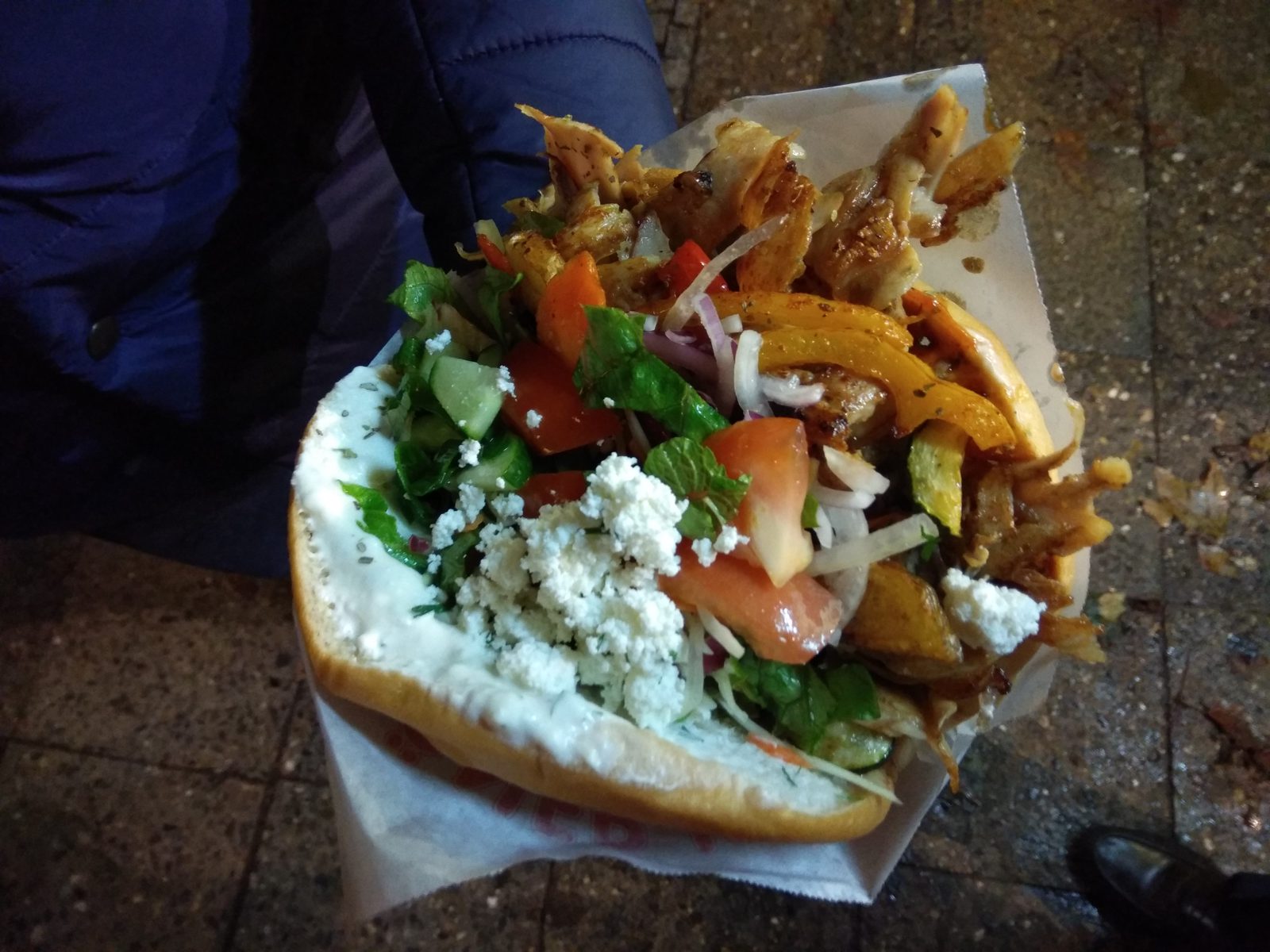
Chicken, warm grilled vegetables and feta: that is a Berlin döner. Why it is better in Germany, and where to find it in the Netherlands.
On the Mehringdamm in Berlin there is a queue round the block almost every day. People sometimes wait an hour for a döner sandwich with chicken and grilled vegetables. Tourists plan their day around it.
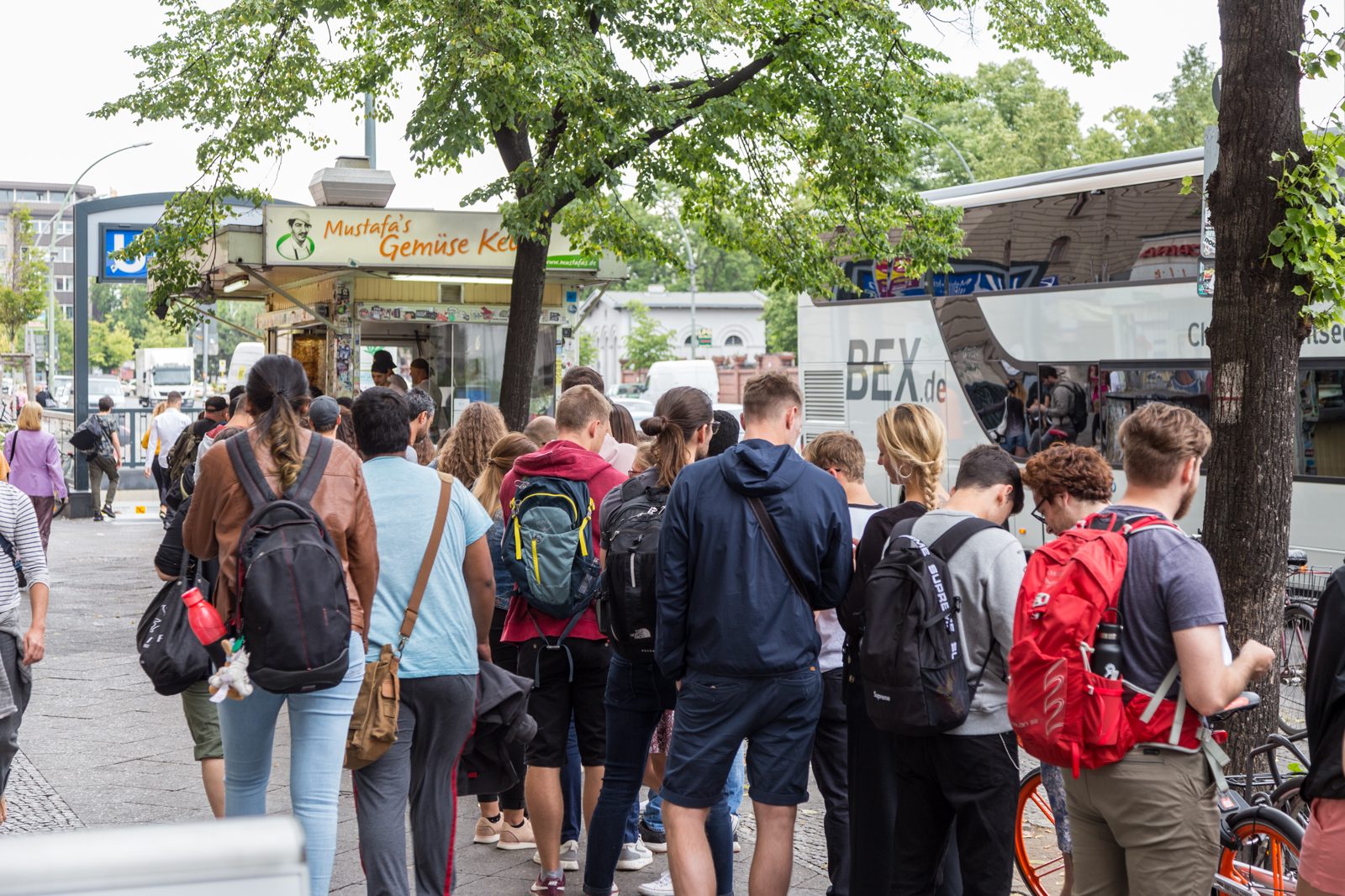
It is a curious phenomenon when you consider what we are talking about: a sandwich sold on the corner of almost every nightlife street in the Netherlands, usually for the last quarter of an hour of the evening. Yet this is something else. Anyone who has had the Berlin version once notices the difference, and afterwards often no longer wants the version sold here.
Below is what a Berlin döner is exactly, why it is generally better in Germany than here, and how things stand in the Netherlands.
What is a Berlin döner?
The Berlin style differs on three points from what you usually get here.
- Chicken instead of veal or lamb. The best-known Berlin shops roast chicken on the spit.
- Warm grilled vegetables instead of cold salad. Courgette, aubergine, pepper, onion, sometimes potato. They are grilled separately and laid warm on the bread. This is the point where most people make up their minds.
- Feta and herbs. Crumbled feta, fresh herbs and a squeeze of lemon, alongside the usual sauces.
In Germany that variant is usually called Gemüse Kebap or Gemüse Döner — literally vegetable kebab. It is still meat with bread, but the vegetables are not an afterthought.
Why the German döner is often better
This is where it gets interesting, and the answer is not a matter of taste but of regulation.
Germany has set down what may be called "Döner Kebab". The Leitsätze für Fleisch und Fleischerzeugnisse, the German food code, states that a döner consists of thin slices of beef, veal, mutton or lamb stacked on a rotating spit, alternated with no more than sixty per cent minced meat mixture. For chicken and turkey döner no minced meat may be used at all, and the share of skin is capped at eighteen per cent.
If a spit does not meet that, it may not be called döner. Then it says Drehspieß, or nach Döner Art — döner style. So a German customer can tell from the word on the menu what they are buying.
The Netherlands has no such distinction. Here anything that turns on a spit may be called döner, whether it consists of slices of meat or of a pressed roll. That is not a small detail: it is exactly the difference people taste without knowing what they are tasting.
It is also the same mechanism at work with halal in the supermarket. A word that is defined in law in one country and not in another means something quite different at the counter.
Is it actually döner?
Opinions differ on that, and it deserves to be said.
Turkish eaters rightly point out that döner comes from Turkey: the technique of cooking meat vertically on a rotating spit has existed there since the nineteenth century. What was invented in Berlin is the sandwich — the idea of putting that meat in flatbread and selling it as street food. Some therefore see the Berlin variant with vegetables and feta as a kind of sandwich rather than a döner.
There is little to argue against that, and no need to. The Berlin döner is its own branch on the same tree, much as New York pizza is something other than Neapolitan. Anyone looking for the Turkish classic should not go for the vegetable variant. If you want to know exactly where the differences lie: we explained earlier what the difference is between döner, shawarma and gyros and what döner kebab actually is.
Yaprak döner is something else
One term that often comes up in the same conversation, and that causes confusion.
Yaprak döner means leaf döner: real slices of meat on the spit instead of a pressed roll of minced meat. So it says something about the quality of the meat — exactly what the German standard is about — and nothing about vegetables or feta.
A shop can have excellent yaprak döner on the spit and still not serve Berlin style. And the other way round. If you are after the German quality of the meat, yaprak is the word. If you are after the Berlin way of dressing it, it is not.
Berlin döner in the Netherlands: the demand is there, the name is not yet
We went through just over thirty shops in eight cities. The outcome is striking: people do search for it, but there is almost nothing on offer under that name.
Three shops remained, as of 22 September 2026.
- Helin's Vegan Döner — Linnaeusstraat 221, Amsterdam-Oost. The only one that carries both the dish and the name: the menu lists a "Berlijnse Kipdöner", with chicken, mixed vegetables and feta, and the chicken döner category sits under the heading "met gegrilde groenten" (with grilled vegetables). Rating 4.6 from 426 reviews.
- Echt Berliner Döner — Korvelseweg 123, Tilburg. Open since June 2026 and carries the Berlin concept as a brand, not as a single menu line. Rating 4.8 from 113 reviews.
- De Berliner Doner — Buikslotermeerplein 200, Amsterdam-Noord. Has the name and a sandwich with feta, but no grilled vegetables on the menu. Rating 4.6 from 316 reviews.
In Rotterdam, Utrecht, Nijmegen and Schiedam we found nothing that calls itself that, although online searching is an imperfect instrument for this. In The Hague the only shop with a Berlin name was permanently closed.
What that means: in the Netherlands this dish barely has an address yet and no common name. Demand is running ahead of supply.
Why we follow this
We cook Turkish dishes in our own kitchen and deliver them chilled fresh, 100% halal. Döner is not part of that so far: what belongs on a rotating spit simply does not work in a microwave at home.
But we do recognise the question behind this trend. People want to know what is in their food and where it comes from, and they notice the difference between meat that is sliced and meat that is pressed. That is exactly why we looked into who actually checks halal in the supermarket.
If in the meantime you want Turkish food where you do know how it was made: see the full menu.
Frequently asked questions
What is a Berlin döner?
A döner in Berlin style: usually chicken from the spit, with warm grilled vegetables such as courgette, aubergine and pepper, finished with feta, fresh herbs and sauces. In Germany that variant is called Gemüse Kebap or Gemüse Döner.
What is the difference between German and Dutch döner?
The biggest difference is that Germany has set down what may be called döner. The German guidelines require thin slices of meat with no more than sixty per cent minced meat mixture, and with chicken no minced meat at all. If it does not meet that, it has to be called Drehspieß or "nach Döner Art". The Netherlands has no such requirement, which is why quality varies more sharply here from shop to shop.
What does Gemüse Kebap mean?
Literally vegetable kebab. It refers to the Berlin way of dressing it, with warm grilled vegetables instead of cold salad.
Is yaprak döner the same as Berlin döner?
No. Yaprak döner means there are real slices of meat on the spit instead of a pressed roll of minced meat; that is about the meat. Berlin döner is about what goes around it. A shop can do one without the other.
Where can you eat Berlin döner in the Netherlands?
The offer is still small. In September 2026 we found three shops that call themselves that: Helin's Vegan Döner in Amsterdam-Oost, Echt Berliner Döner in Tilburg and De Berliner Doner in Amsterdam-Noord. In most other cities we found nothing that presents itself that way.
Is Berlin döner healthier than ordinary döner?
There are more vegetables in it, and that helps. But it remains a substantial meal with meat, bread and sauce, and portion sizes vary a lot from shop to shop. We set out the figures per format in our article on whether döner is healthy.