Knowledge base
Is Turkish food healthy? The healthy side of Turkish cuisine
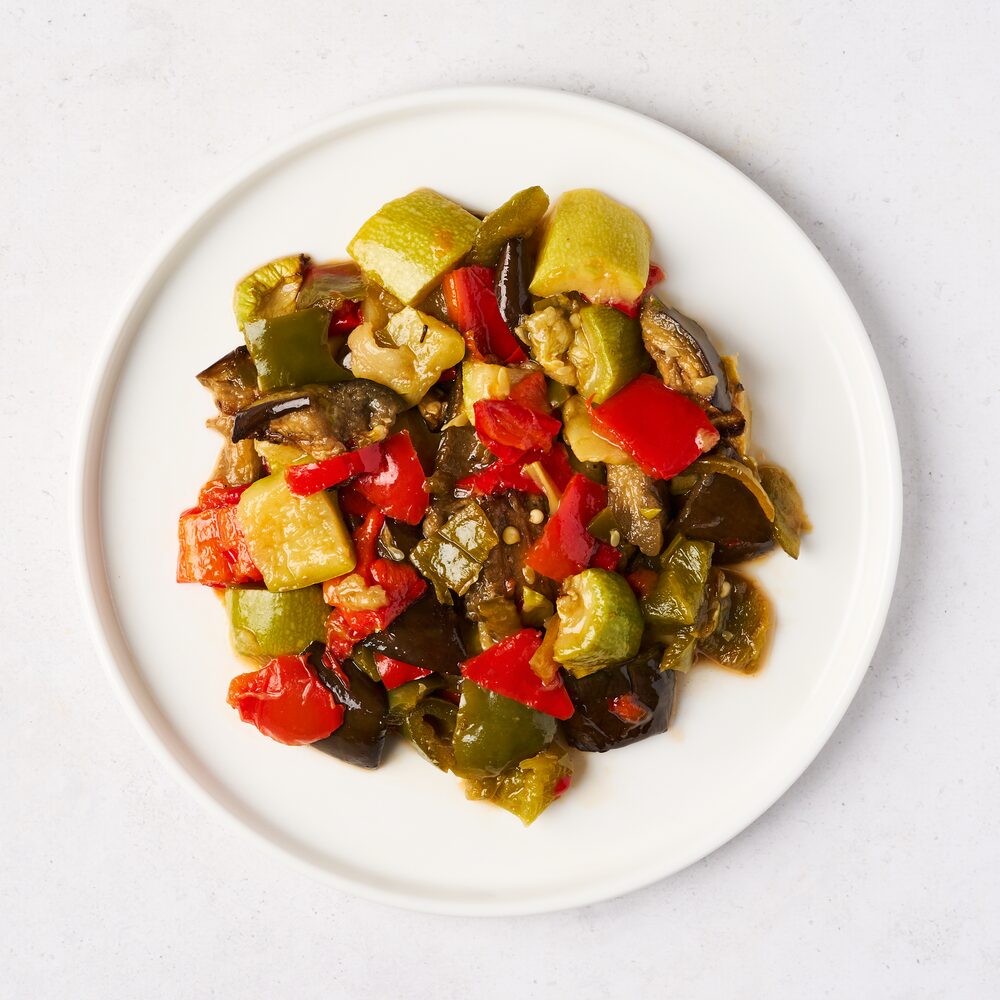
Is Turkish food healthy? Many dishes are full of vegetables, legumes and protein. Discover the healthiest — fresh, halal and chilled to your door.
Turkish food is healthier than many people think. Turkish cuisine is part of the Mediterranean kitchen and is built on vegetables, legumes, olive oil, yoghurt and lean meat or chicken. As with any cuisine, the difference is in the choice: grilled köfte (meatballs) with salad are a world away from a deep-fried snack.
Why Turkish cuisine is naturally healthy
Many Turkish dishes lean on fresh vegetables, legumes and olive oil — exactly the base of the Mediterranean diet, one of the healthiest eating patterns in the world. Yoghurt (ayran, cacık) provides protein and probiotics, and herbs replace part of the salt.
The healthiest Turkish dishes
Think of etli kuru fasulye (white beans in tomato sauce), mercimek çorbası (red lentil soup), vegetable stews and güveç (stew), grilled köfte (meatballs) and chicken, and vegetable dishes like İmam Bayıldı (stuffed aubergine). Legumes and lean meat provide plenty of protein; vegetables add fibre and vitamins.
High in protein and calorie-aware
Watching your macros? Many Turkish dishes are naturally high in protein and not overly calorific if you limit the starch (rice, bread). Read more about high-protein halal meals and low-carb eating.
What to watch out for
Keep an eye on salt, frying and portion size, and choose grilled or stewed over fried more often. Check the nutritional values per dish in the menu to make informed choices.
Frequently asked questions
Is Turkish food low in calories?
Many dishes are fairly light, especially vegetable and legume dishes. Watch the starch and frying, and check the values per dish.
Which Turkish dishes are high in protein?
Köfte, chicken, güveç with meat and legume dishes like kuru fasulye (white beans) are naturally high in protein.
Is healthy also 100% halal?
Yes. At Yasemin everything is 100% halal and freshly prepared.
Last updated: June 2026.